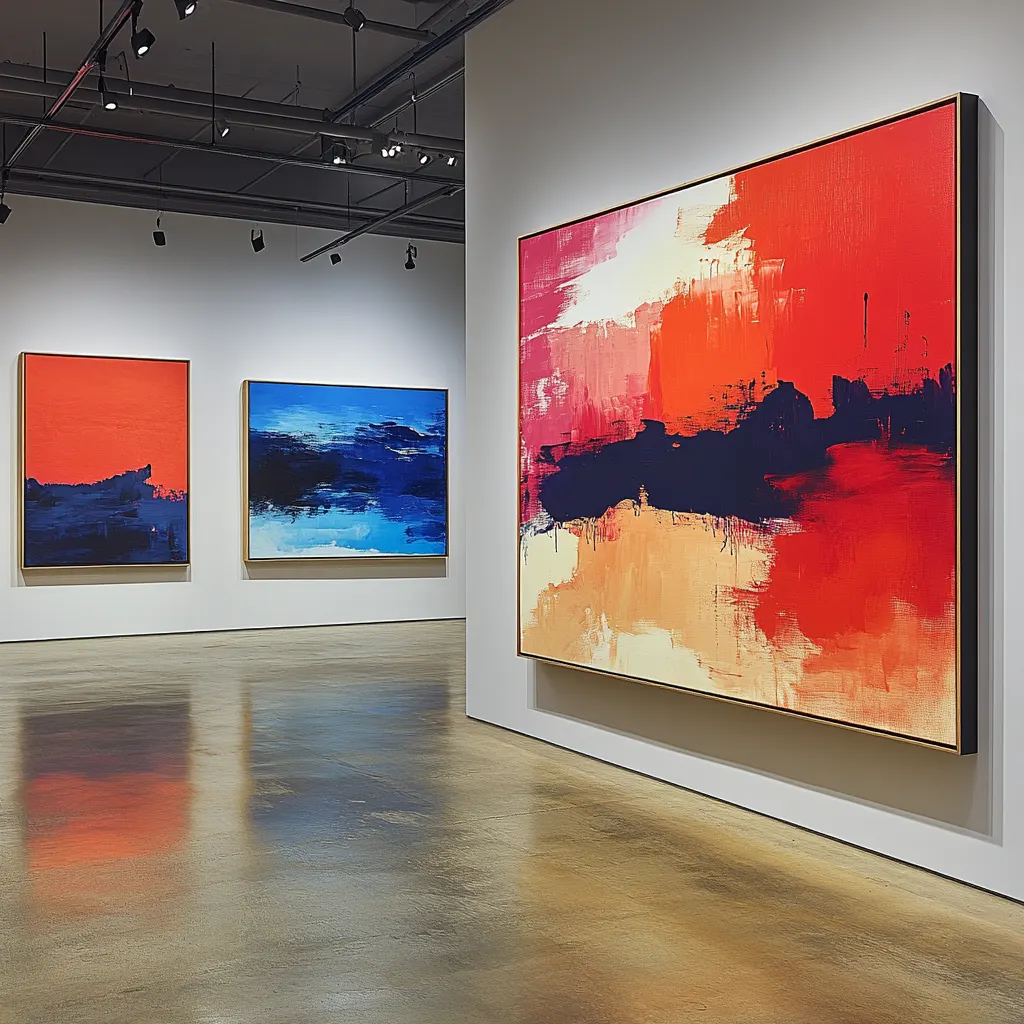
Before language,
there was seeing.
You knew what felt right long before you could explain why. LIUBA begins there.
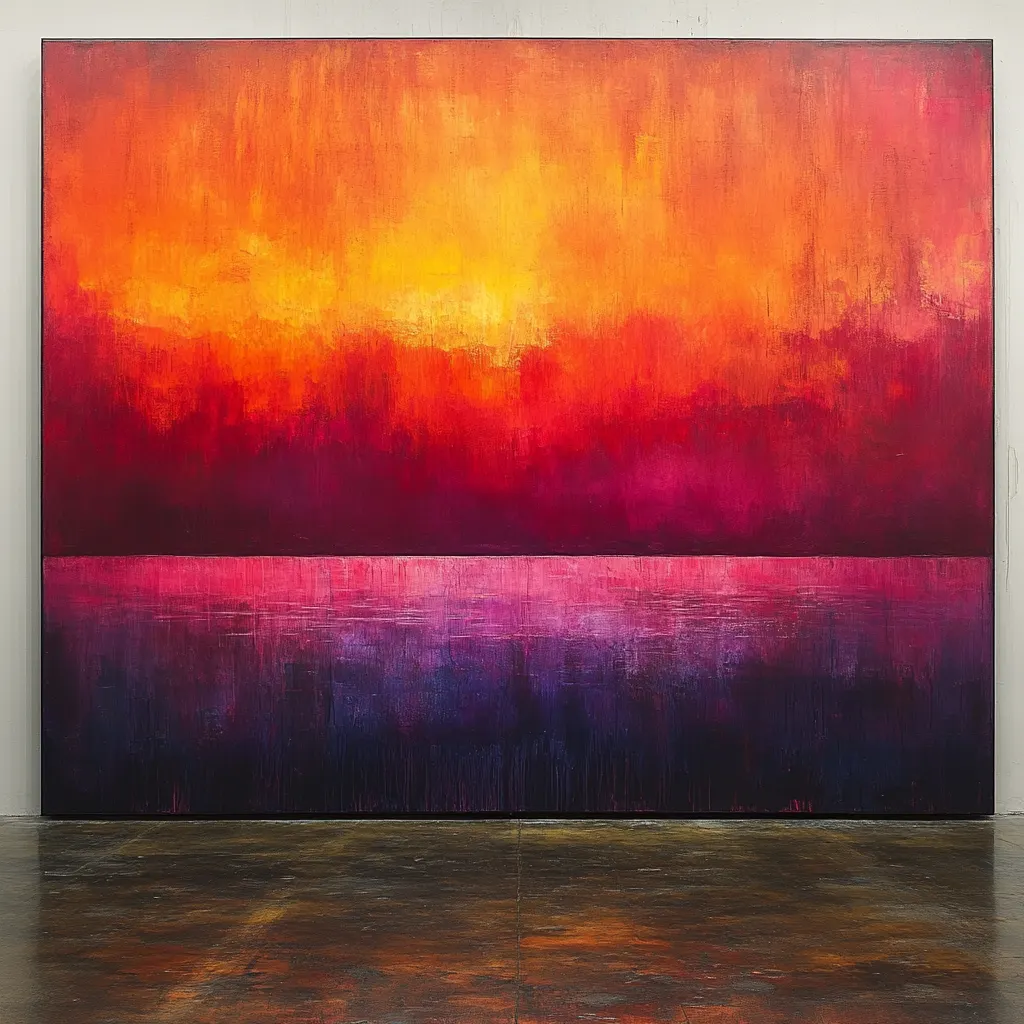
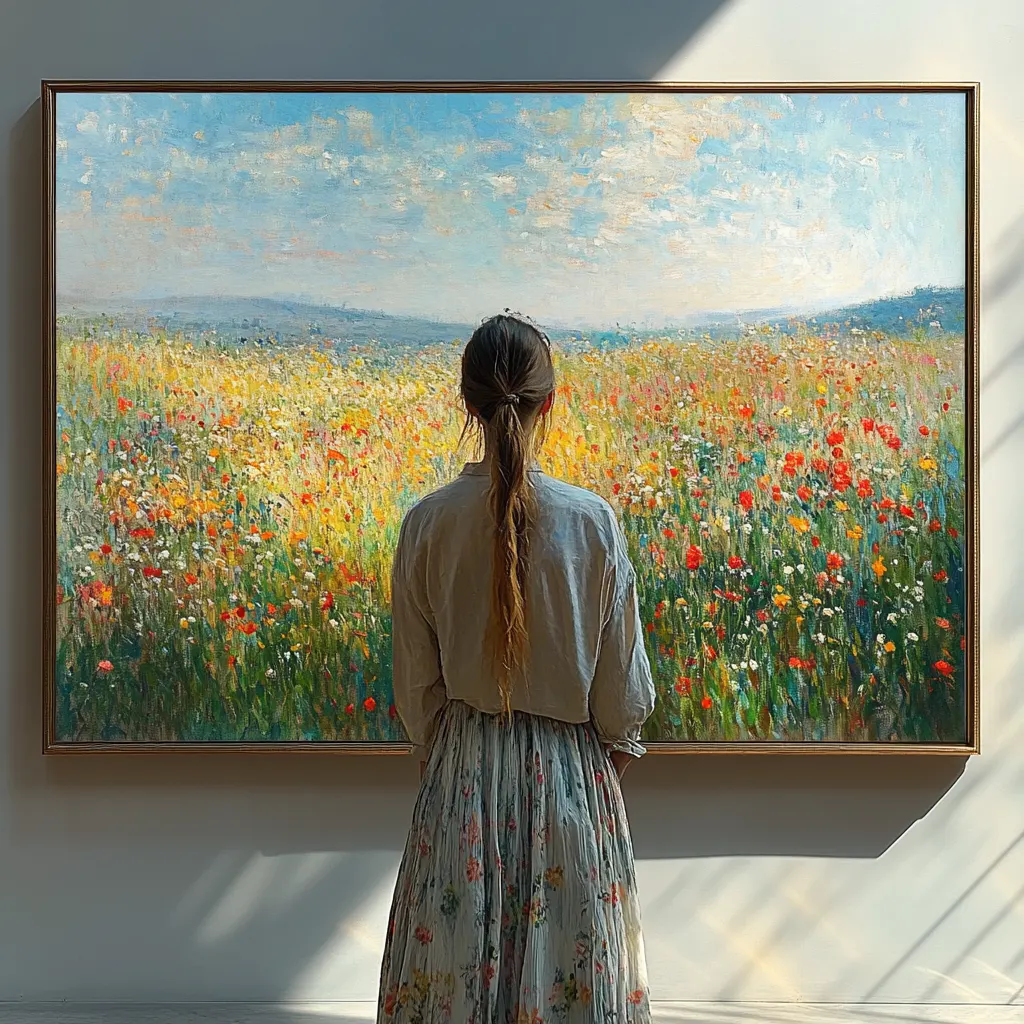
You've stood in front of something and felt it before you could name it.
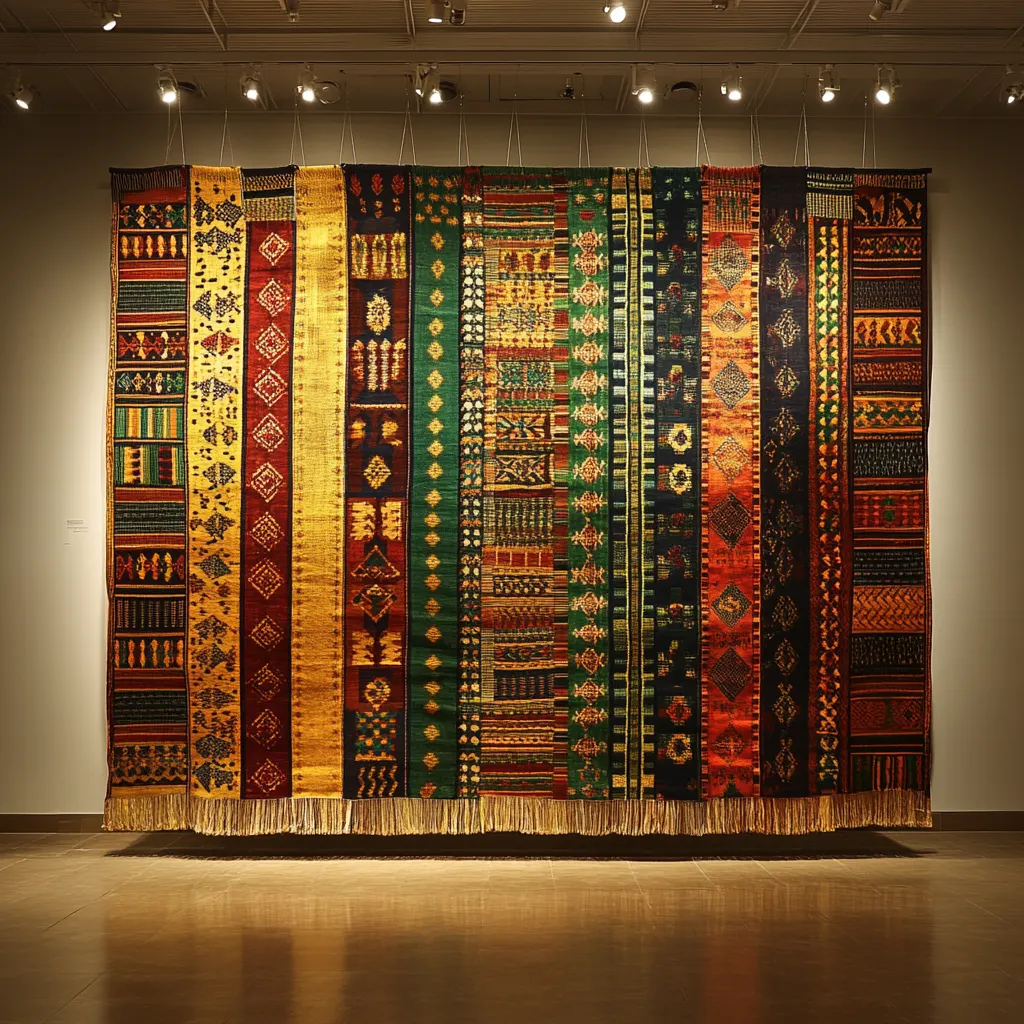
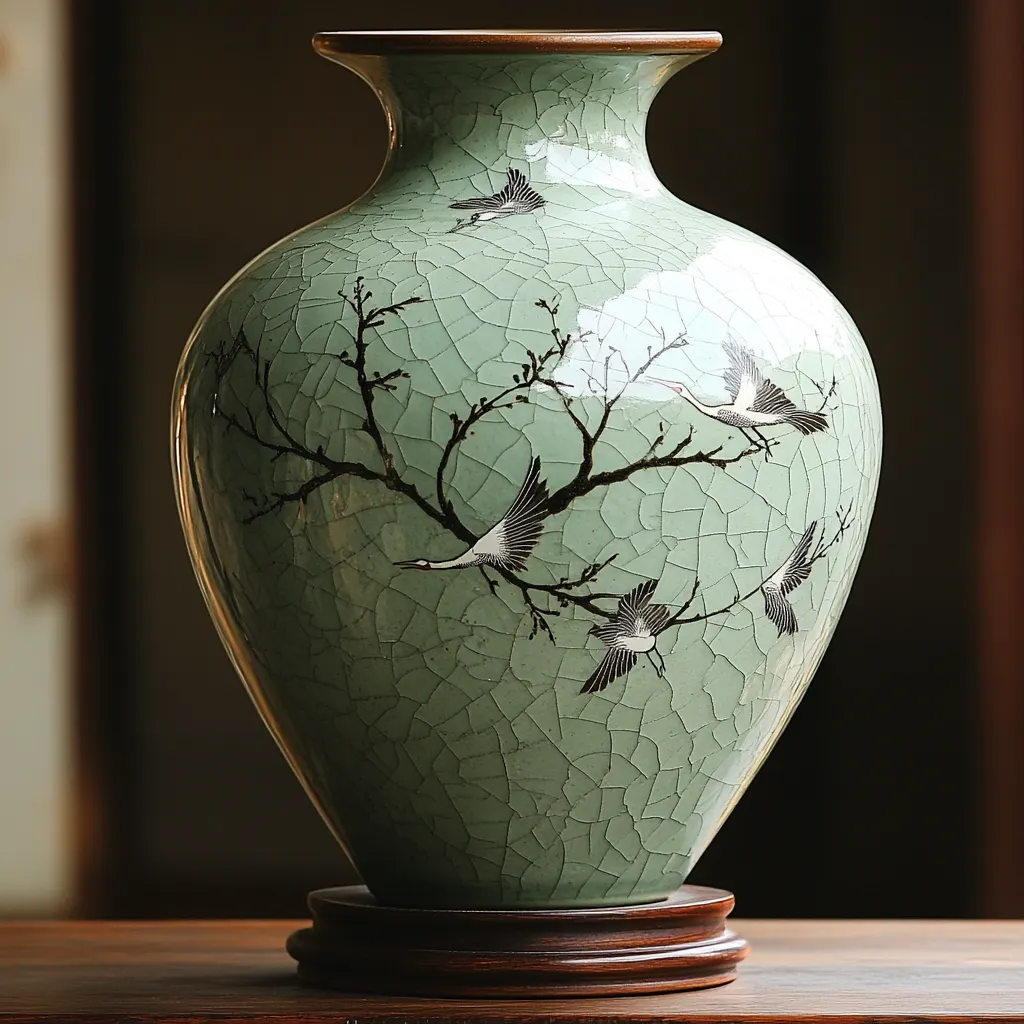
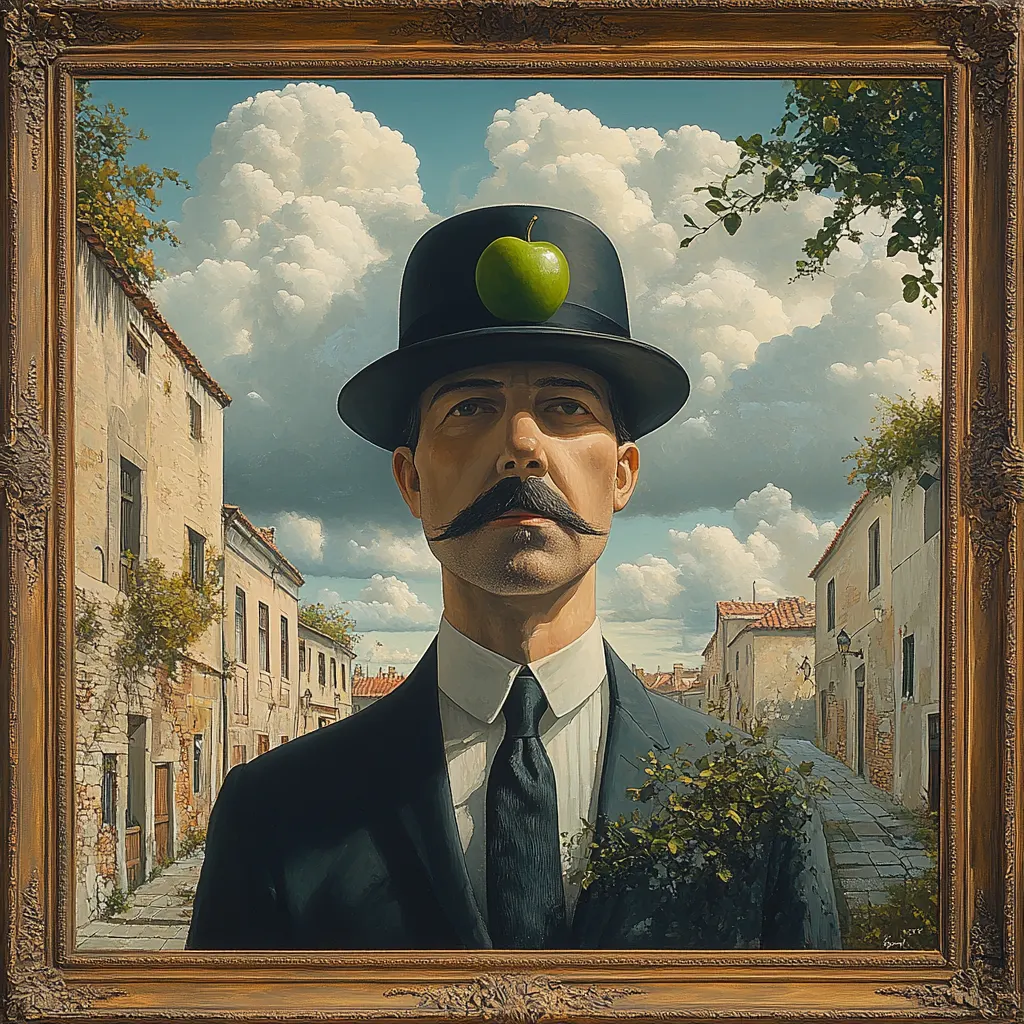
A painting that held you. A room that felt right. A surface, a rhythm, a color that your body recognized before your mind caught up. That moment — precise, wordless, impossible to fake — is the beginning of aesthetic orientation.
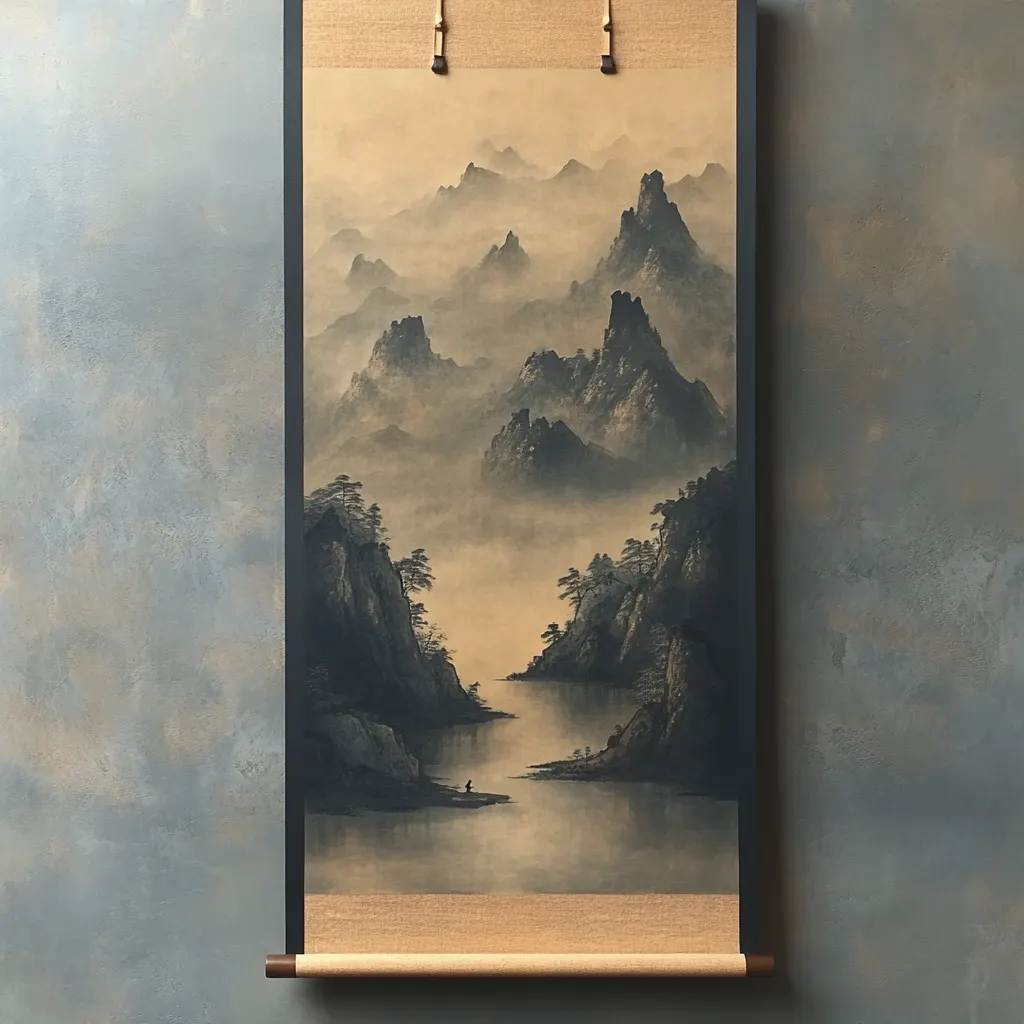
Most of us carry an aesthetic compass we've never been taught to read.
We use it instinctively — in how we design, decide, curate, and create. But we lack a language for it. Art history gives us periods and movements. Social media gives us likes and feeds. Neither captures what your eye actually does when it moves through the world.

What if your taste is not a mystery — but a position that can be read?
Not a personality type. Not a style quiz. A real, multi-dimensional position that emerges from the patterns in your choices — what draws you closer, what you leave behind, how you build meaning from what you see.
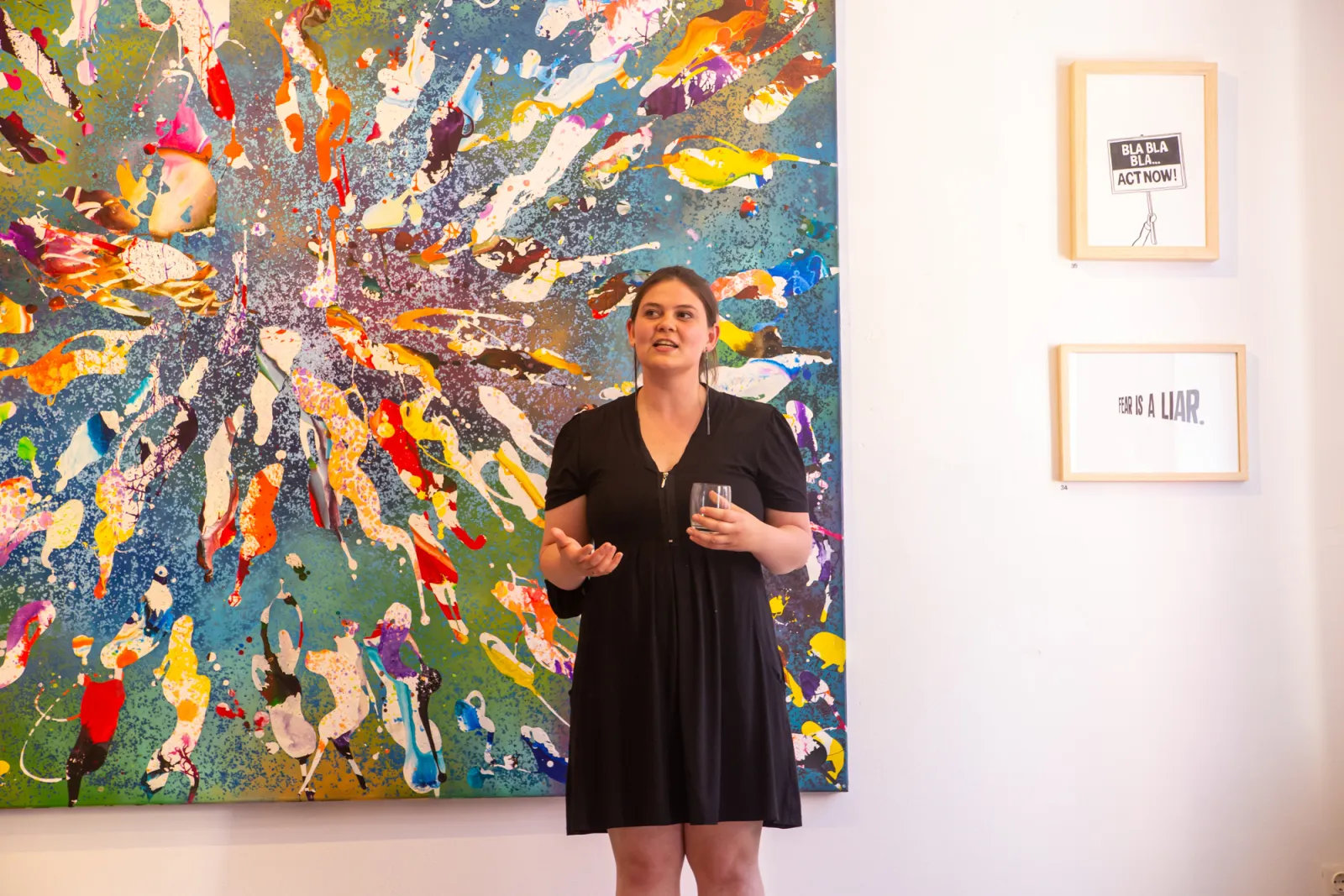
LIUBA was born from this question.
Founded by Miriam Büxenstein — cultural scientist, gallerist, and someone who has spent a lifetime learning to read what the eye sees before language arrives. From galleries in Ahrenshoop and Dublin to opening LIUBA Galerie as a synesthetic art space in 2021, the path always led here: building a system that makes aesthetic intelligence legible.
Your eye already knows more than your language can hold. LIUBA helps you see what it sees.
Not a test. Not a feed. A space where taste becomes a position you can recognize, refine, and return to.
Not a marketplace
LIUBA is an aesthetic orientation system. A few visual choices reveal patterns that form a legible position — not a personality type, not a label.
Multiple layers
Your choices are read across density and openness, order and disruption, intuition and concept, physicality and distance — and deeper cultural dimensions beneath.
A mirror, not an engine
The result is not a recommendation. It is a mirror for your aesthetic intelligence — the kind of knowledge that lives in your eye before it reaches your language.
For whom
Artists, curators, designers, collectors, architects — and anyone who has ever stood in front of a work and felt something precise that they couldn't name.
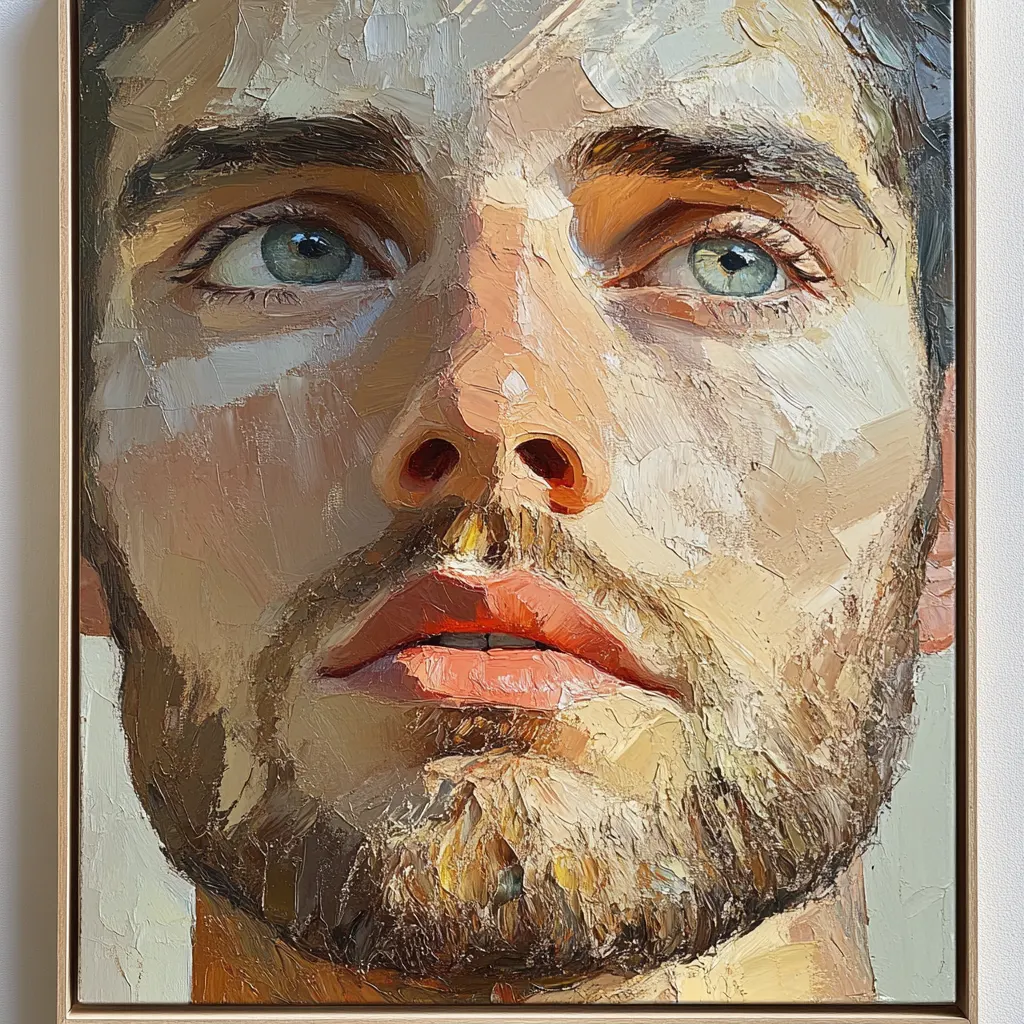

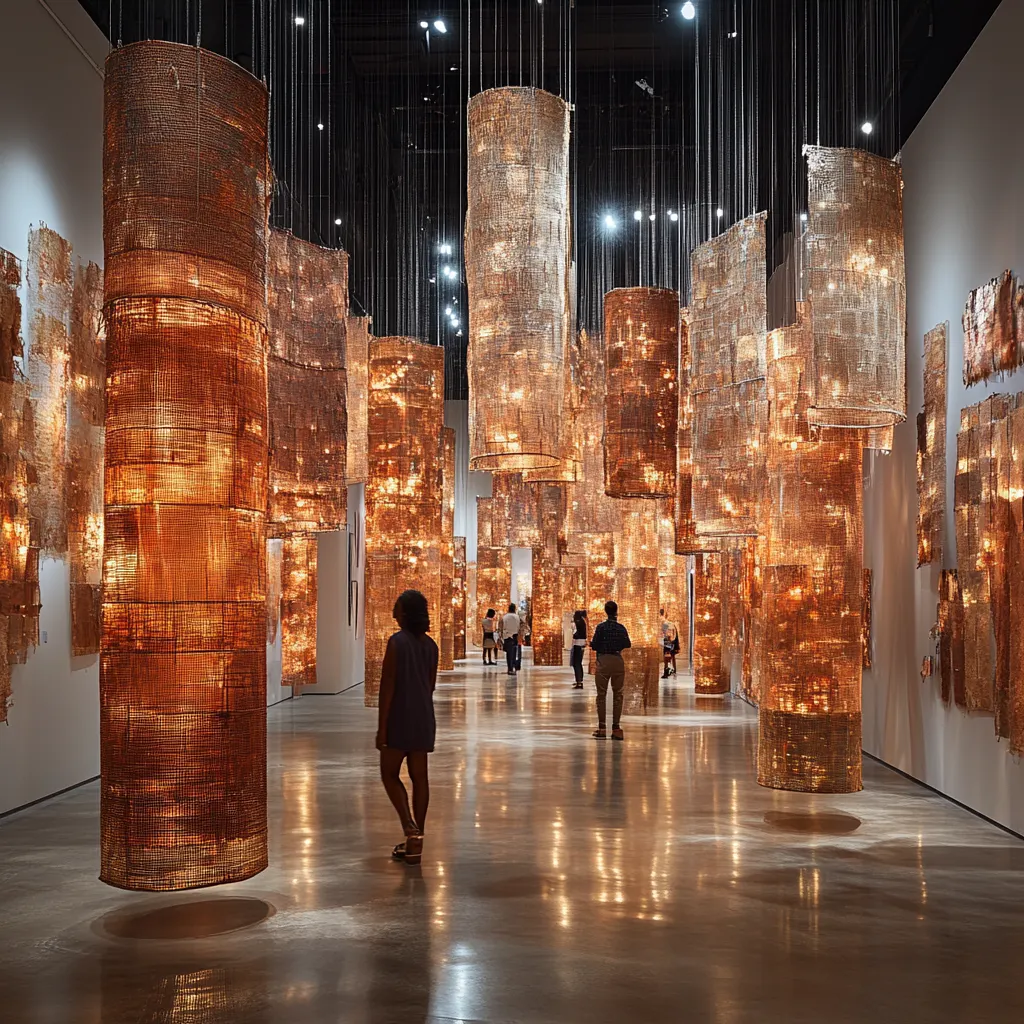
Your eye already knows more than your language can hold.
Begin